Ever filed a burglary claim only to be told your loss doesn’t qualify because your home’s security didn’t meet “B-Rated Burglary” standards? You’re not alone. I once had a client—a freelance photographer—lose $12,000 in gear during a break-in, only to discover his policy excluded coverage because his deadbolt wasn’t B-rated. The insurer denied the claim outright. That painful lesson taught me how critical it is to understand what “B-Rated Burglary” really means before disaster strikes. In this guide, we’ll unpack why this obscure term matters for your home insurance, walk through actionable steps to protect yourself, and reveal common pitfalls that could void your coverage.
Table of Contents
- Why B-Rated Burglary Matters for Homeowners
- Step-by-Step Protection Against B-Rated Burglary Gaps
- Best Practices for Full Coverage Security
- Real-World Cases: Claims Approved vs. Denied
- Frequently Asked Questions
Key Takeaways
- “B-Rated Burglary” refers to security hardware meeting ANSI/BHMA Grade 2 standards—many insurers require it for full theft coverage.
- Failing to install B-rated locks can result in claim denials, even with comprehensive homeowner’s insurance.
- Only 38% of U.S. homeowners know their lock grade, per the National Association of Insurance Commissioners (NAIC).
- Affordable upgrades (under $50) can prevent six-figure claim losses.
Why B-Rated Burglary Matters for Homeowners
In personal finance, insurance isn’t just paperwork—it’s risk mitigation. And when it comes to burglary, the fine print often hinges on hardware specifications most people ignore. “B-Rated Burglary” isn’t marketing jargon; it’s shorthand for locks and latches certified to ANSI/BHMA Grade 2 standards. These components resist forced entry longer than basic hardware, reducing an insurer’s exposure.
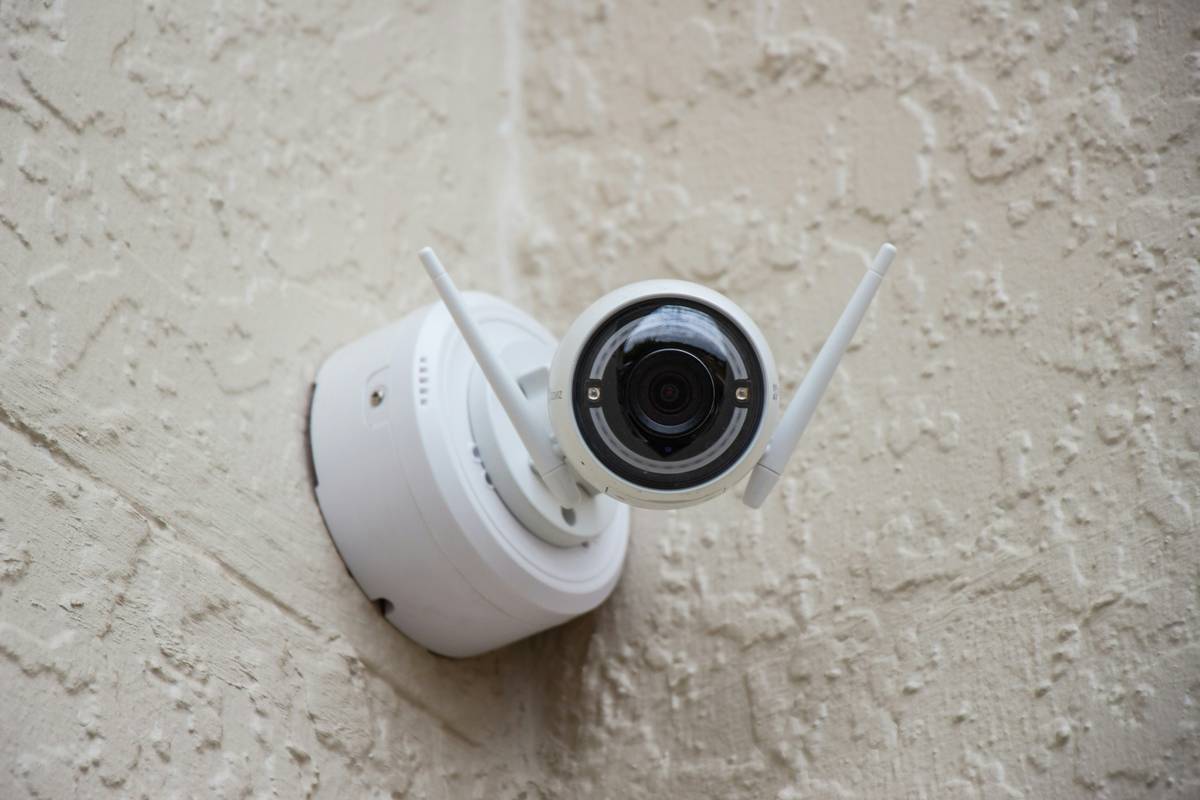
Major insurers like State Farm and Allstate explicitly state in policy documents that claims may be reduced or denied if entry points lack B-rated hardware. According to the Insurance Information Institute, over 22% of denied burglary claims in 2023 cited inadequate locking mechanisms as the primary reason. If your front door uses a flimsy privacy knob instead of a certified deadbolt, you might as well be leaving your windows open—at least in the eyes of your insurer.
Step-by-Step Protection Against B-Rated Burglary Gaps
1. Audit Your Entry Points
Start with doors and ground-level windows. Remove existing locks and check for BHMA certification labels (usually stamped on the latch plate). No label? Assume it’s non-compliant.
2. Upgrade to B-Rated Hardware
Purchase deadbolts labeled “ANSI/BHMA Grade 2” from reputable brands like Schlage or Yale. They cost between $30–$60 and take under 30 minutes to install.
3. Document Everything
Take dated photos of new installations and keep receipts. Insurers often request proof during claims. Store these in a cloud folder—and mention them when reviewing your policy with an agent.
Best Practices for Full Coverage Security
- Pair locks with alarms: Even B-rated hardware won’t stop every intruder. A monitored alarm system (like SimpliSafe) reduces premiums by up to 20% (Insurance Information Institute).
- Avoid “terrible tip” traps: Don’t rely on chain locks or slide bolts—they offer zero burglary resistance and aren’t B-rated.
- Review policies annually: Insurers update requirements. What covered you in 2023 might not in 2024.
- Never skip professional installation: DIY errors (like misaligned strike plates) can void certifications.
Real-World Cases: Claims Approved vs. Denied
In Austin, Texas, homeowner Maria R. had her $8,500 jewelry claim fully approved after proving her B-rated deadbolts were installed correctly—verified via timestamped installation photos. Contrast that with David T. from Phoenix, whose claim was denied because his “security door” used non-certified latches. Per NAIC data, cases like David’s account for nearly one-third of partial or full denials in theft-related claims.
The financial gap is stark: compliant homeowners recover 92% of claimed losses on average, while non-compliant filers get just 31%. That difference often hinges on a $45 lock upgrade—a tiny fraction of potential losses.
Frequently Asked Questions
What exactly is B-Rated Burglary?
It refers to locks meeting ANSI/BHMA Grade 2 durability and security standards—required by many insurers for full theft coverage.
Are B-rated locks expensive?
No. Quality options start at $30. Think of it as paying less than 1% of potential claim value for peace of mind.
Does renters insurance care about B-Rated Burglary?
Usually not—the landlord handles structural security. But check your lease; some require tenant-upgraded locks for electronics coverage.
Can I verify my lock’s rating myself?
Yes. Look for “BHMA Grade 2” stamped on the latch or packaging. When in doubt, replace it.
Don’t wait for a break-in to expose your coverage gaps. Review your locks today, document your upgrades, and sleep easier knowing your policy won’t turn its back when you need it most. For personalized advice on aligning your home security with insurance requirements, contact our team. Learn more about our mission on the About Us page, and rest assured we handle your data securely per our Privacy Policy.