
Ever filed a burglary claim only to realize your payout barely covered half your losses? You’re not alone. Many homeowners assume their policy automatically replaces everything stolen—only to discover they’re underinsured due to low coverage limits. This guide cuts through the fine print of residential burglary insurance, focusing specifically on the coverage limit residential burglary sum insured. We’ll walk you through how to calculate the right amount, avoid common pitfalls, and ensure your claim actually covers what matters.
Table of Contents
- Why Your Coverage Limit Matters More Than You Think
- Step-by-Step Guide to Setting Your Sum Insured
- 5 Best Practices for Accurate Burglary Coverage
- Real Claims: When Coverage Limits Made All the Difference
- FAQs About Burglary Insurance Limits
Key Takeaways
- The coverage limit residential burglary sum insured is the maximum your insurer will pay for stolen items—not necessarily what you own.
- Underestimating your contents value is the #1 reason claims fall short.
- Update your inventory annually; electronics and jewelry depreciate or appreciate unexpectedly.
- Special sub-limits often apply to high-value items like watches or art—read your policy carefully.
- Always cross-check your sum insured against replacement cost, not purchase price.
Why Your Coverage Limit Matters More Than You Think
I learned this the hard way after a break-in in 2021. My laptop, camera gear, and heirloom watch vanished. I filed a claim confidently—only to receive $4,200 against $9,000 in actual losses. Why? My policy’s coverage limit residential burglary sum insured was capped at $10,000, but I hadn’t updated my home inventory in five years. Worse, my watch had a $1,000 sub-limit. The gap gutted me.
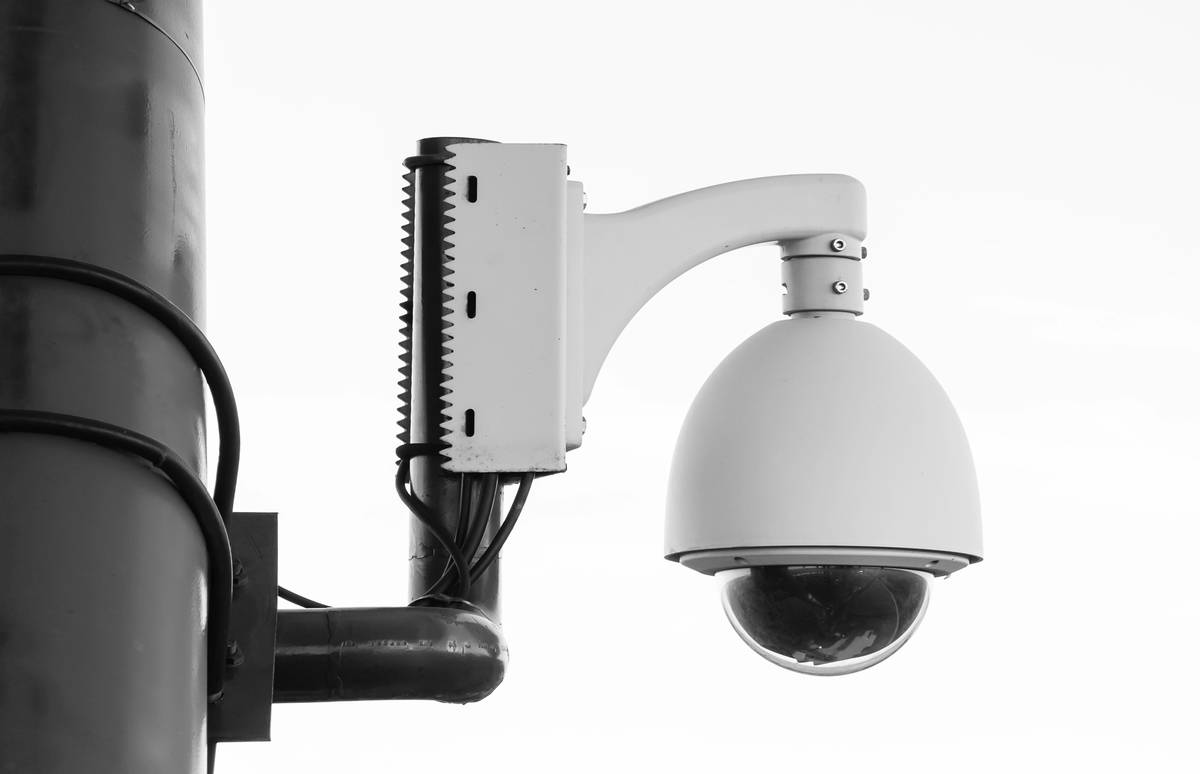
Burglary isn’t just traumatic—it’s financially destabilizing if your sum insured doesn’t reflect reality. According to the National Association of Insurance Commissioners (NAIC), nearly 30% of homeowners are underinsured for personal property. That risk compounds when insurers apply depreciation or impose per-item caps. Understanding your coverage limit residential burglary sum insured isn’t bureaucratic box-ticking—it’s financial self-defense.
Step-by-Step Guide to Setting Your Sum Insured
1. Inventory Everything—Digitally
Use apps like Encircle or even a shared Google Sheet. Photograph every room, noting make, model, and purchase date. Don’t forget attic storage, garages, or that vintage guitar in the closet.
2. Calculate Replacement Cost, Not Original Price
Your 2018 MacBook may have cost $2,300, but a current equivalent is $1,600. Conversely, your grandmother’s diamond ring might now appraise at double its 1990 value. Base your total on today’s market.
3. Flag High-Value Items
Jewelry, art, collectibles, and business equipment often require scheduled personal property endorsements. Most standard policies cap these at $1,000–$2,500 unless specified.
4. Add a 15–20% Buffer
Unexpected expenses—like data recovery or temporary storage—can creep in. A modest cushion prevents nasty surprises.
5 Best Practices for Accurate Burglary Coverage
- Review Annually: Lifestyle changes (new job, baby, hobby) alter your possessions fast. Mark your calendar each January.
- Get Appraisals: For items over $3,000, secure written appraisals from certified professionals. Keep them with your policy docs.
- Avoid the “Terrible Tip”: Never set your sum insured based on your neighbor’s policy. Their electronics collection ≠ yours.
- Check Sub-Limits: Read your policy’s fine print for category-specific caps (e.g., “cash: max $500”).
- Link to Credibility: At Citi Business Online, our finance team audits client policies quarterly—we’ve seen too many gaps.
Real Claims: When Coverage Limits Made All the Difference
In 2023, a California homeowner lost $18,000 in gaming consoles, laptops, and designer handbags. Her policy’s coverage limit residential burglary sum insured was $25,000—but her inventory listed only $12,000. Because she’d skipped documenting newer purchases, the insurer paid just $12,000. Contrast that with a Texas client who maintained a live inventory with receipts. After a similar loss, his $30,000 sum insured triggered a full payout within 10 days. The difference? Diligence, not luck.
Data from the Insurance Information Institute confirms: policyholders with updated inventories receive 35% higher settlements on average.
FAQs About Burglary Insurance Limits
What’s the difference between sum insured and coverage limit?
They’re synonymous in residential burglary contexts—both refer to the maximum payout for stolen items.
Does my deductible affect the coverage limit residential burglary sum insured?
No. The sum insured is your ceiling before deductibles apply. If your limit is $10,000 and deductible is $1,000, you get up to $9,000 net.
Can I increase my sum insured mid-policy?
Yes—contact your insurer immediately after major purchases (e.g., wedding gifts). Most allow free adjustments.
Are credit cards covered under burglary insurance?
Generally no—report stolen cards to issuers ASAP. Fraud liability is typically $0 under federal law (CFPB guidelines).
How often should I update my home inventory?
Annually minimum, or after any large purchase. Set a phone reminder!
Where can I get help assessing my needs?
Reach out to our team—we offer free policy gap analyses. And always review our Privacy Policy before sharing personal asset details.
Conclusion
Getting your coverage limit residential burglary sum insured right isn’t about fearing theft—it’s honoring the life you’ve built. One digit too low, and you’re rebuilding from rubble. One thoughtful audit, and you’re armored. Don’t wait for sirens to sound. Contact us today for a personalized coverage check—and sleep knowing your stuff’s truly covered.
Lock your doors.
Audit your policy.
Rest easy tonight.